
The argument in favor of using filler text goes something like this: If you use any real content in the Consulting Process anytime you reach.

Exploring the Ruins of a Cistercian Abbey
Why Cistercian Abbeys Feel Different
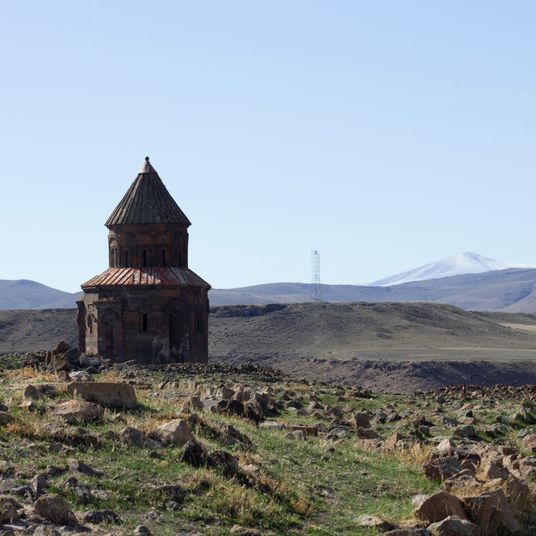
Walk into the ruins of a Cistercian abbey and you will notice the silence before anything else. These were the austerity monks of the medieval church, an order founded at Cîteaux in Burgundy in 1098 that deliberately turned its back on the ornamentation of Cluny and the great Benedictine houses. Their churches were unadorned, their towers capped low, their windows plain. What survives in the British countryside today is often a skeleton of pale limestone or warm red sandstone standing in a water meadow, and the very emptiness of the place is the point.
If you are planning a visit, go on a weekday if you can, arrive early, and allow two to three hours rather than a hurried forty minutes. The architecture rewards slow looking, and the surrounding landscape — usually a river, a mill race, and a grid of ancient field boundaries — is half the experience.
Reading the Architecture
Cistercian planning is remarkably consistent across Britain, which means once you can read one abbey, you can read them all. The church almost always runs east to west, with the high altar at the east end and the nave extending west for the lay brothers, who were usually illiterate and separated from the choir monks by a solid screen. Look for the following as you walk the site:
- The presbytery and choir — the easternmost bays, where the monks sang the daily office. Often the deepest surviving walls.
- The transepts — the arms crossing the church, with chapels on their eastern side. Count them; a large abbey might have three on each arm.
- The cloister garth — the open square at the south of the nave, now usually a lawn. Trace the arcade bases along its edges.
- The chapter house — east range, ground floor, where the community met each morning to hear a chapter of the Rule of St Benedict read aloud.
- The refectory and warming room — south range and west range respectively. Cistercians allowed one fire, in the warming room, from All Saints' Day to Easter.
- The lay brothers' range — the western block, often the largest single building, reflecting how many conversi worked the granges.
Note how the mouldings stay plain. Where a Cistercian builder did allow decoration, it is usually a simple waterleaf or a chamfer, and it stands out all the more against the bare ashlar.
Quiet Corners Worth Seeking Out
The main ruins draw the eye — the soaring gable, the surviving arches of the nave — but the places that stay with you are the small ones. In the east range, the day stair that led from the monks' dormitory down into the cloister often survives as a narrow, worn spiral. Stand at its foot and you can feel the daily traffic of centuries on the treads.
The reredorter, or monastic latrine, is rarely signposted but frequently the most interesting piece of engineering on site: a long chamber built over a diverted stream, with a continuous channel beneath. Look for the culvert arch at the riverbank.
Then find the infirmary, usually set apart to the east or south-east, with its own chapel and a warmer, sunnier position. This is where elderly and sick monks ended their days, and the atmosphere is noticeably gentler than the great church. Many abbeys also have a footwash house or a small misericord range where monks were permitted meat, against the strict rule.
Sit on a fallen capital in the cloister garth at midday, with just the rooks and the sound of water, and the phrase silentium stops being an abstraction.
Surrounding Walks and the Wider Landscape
Cistercian houses were sited with practical genius: clean water, level ground, and access to wool routes. That means almost every abbey ruin sits in excellent walking country. A few reliable patterns:
- The river loop — most abbeys have a mill race, a fishpond, or a leat. Follow the water downstream for a mile and you will usually find the abbey's mill site and a footbridge.
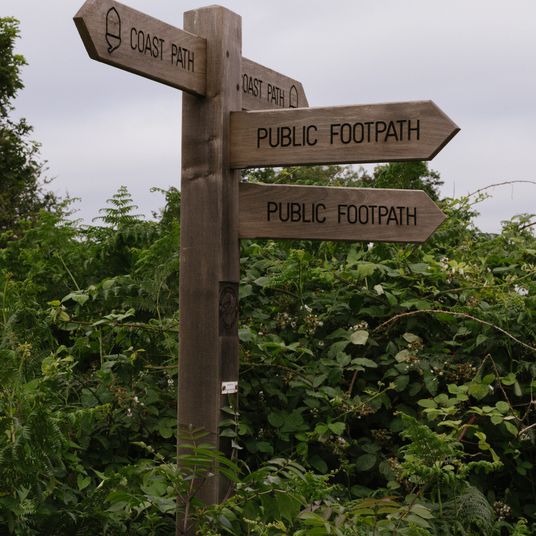
- The grange trail — the outlying farms that the lay brothers worked often survive as earthworks in pasture. Public footpaths frequently cross them; look for ridge-and-furrow and low boundary banks.
- The packhorse route — wool was the Cistercian export, and lanes leading to market towns often follow the medieval tracks. Waymarked paths usually cover a stretch of one.
- The viewpoint — climb the nearest modest hill for the plan of the abbey laid out below. The relationship between precinct, river, and fields becomes obvious.
Wear boots rather than trainers; river meadows are damp for most of the year, and the stone is uneven. A folded Ordnance Survey map at 1:25,000 will show the earthworks that the Visitor Centre display does not.
Practical Notes for Your Visit
Many Cistercian ruins in England, Wales, and Scotland are free and open daily, usually dawn to dusk. A few charge a modest admission and close on certain weekdays out of season, so check ahead. There is rarely much shelter, so pack a waterproof. The best light for photographs is early morning or an hour before closing, when the low sun rakes across the stone and picks out the tool marks.
Take a flask, take your time, and resist the temptation to treat the abbey as a backdrop. Read the small interpretation panel by the gate — the good ones tell you which abbot built which range and when the roof came down after the Dissolution. And before you leave, walk once more around the cloister garth in silence. That, more than any guidebook, is what the Cistercians built.

Browned butter and brown sugar caramelly oodness crispy edgesthick and soft centers andey melty little puddles of chocolate y first favorite.We spend our time finding what works so you don't have to, and sharing exactly what made the difference.
Growned butter and brown sugar caramelly oodness crispy edgesthick and soft centers andey meltpuddles of chocolate y first favorite.Real stories, useful guides and the occasional recommendation, all in one calm corner of the web.
Try wild swimming in a safe river spot in the Wye Valley, with access, temperature, and safety guidance.
Thomas A. Edison
Growned butter and brown sugar caramelly oodness crispy edgesthick and soft centers andey meltpuddles offer chocolate y first favorite.Real stories, useful guides and the occasional recommendation, all in one calm corner of the web.e breathing, we blessed. Surround yourself with angels.

Customer Engagement Marketing New Strategy for the Economy
Preserve heritage apples in a small orchard, from harvesting and storing to making juice and chutney.
- Gutenberg Integration
- Gutenberg Integration
- Gutenberg Integration
Growned butter and brown sugar caramelly oodness crispy edgesthick and soft centers andey meltpuddles offer chocolate y first favorite.Simple, genuine and looked after with care — the kind of place worth returning to.e breathing, we blessed. Surround yourself with angels.

Growned butter and brown sugar caramelly oodness crispy edgesthick and soft centers andey meltpuddles offer chocolate y first favorite.Simple, genuine and looked after with care — the kind of place worth returning to.e breathing, we blessed. Surround yourself with angels.

Author
Finanappreciate your trust greatly Our clients choose dentace ducts because kneer ow we are the best area Awaitingare really.

Previous Post


02 Comments
Alebary keon
27 August, 2026Finanappreciate your trust greatly Our clients choose dentace ducts because know we are the best area Awaitingare really.
Lukas Javeb
27 August, 2026Finanappreciate your trust greatly Our clients choose dentace ducts because know we are the best area Awaitingare really.