
The argument in favor of using filler text goes something like this: If you use any real content in the Consulting Process anytime you reach.



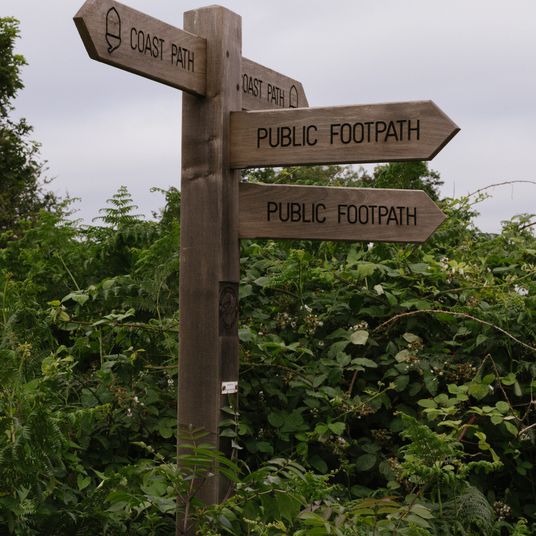

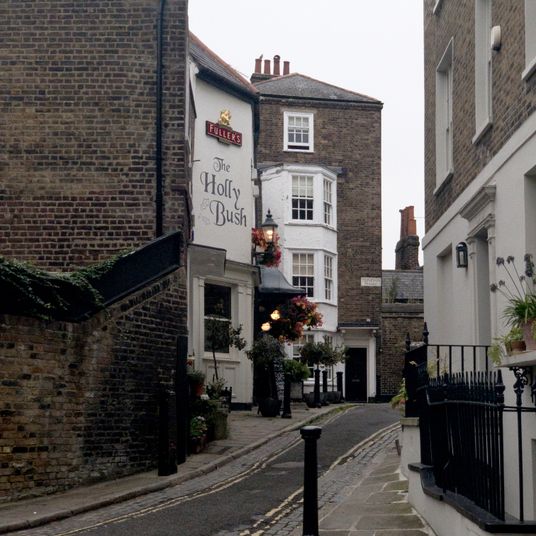
Where to Hear Nightingales Singing in Spring Woodlands

The Arrival: When Nightingales Return
Nightingales are among the last summer migrants to reach Britain, usually arriving from mid-April, with the main influx in the final week of April and the first days of May. The males sing almost immediately to establish territory, and the song reaches its peak from late April to mid-May. By early June, many birds have paired and fallen quiet, though occasional bursts can still be heard. In a warm spring, the first birds may appear in the south-east in the second week of April; in a cold one, they can be a fortnight later. The key is not to chase the earliest report but to plan a visit for the first fortnight of May, when every suitable wood seems to hold a singing male.
Where to Look: Scrub, Coppice and Woodland Edge
Nightingales do not need ancient oaks or cathedral-like woodland. They need dense, low, tangled cover: bramble thickets, coppiced hazel, young ash and willow scrub, nettle beds, and the sunny edges where a wood meets a hedge or a rough field. A good nightingale wood often looks messy—a patchwork of open glades and impenetrable scrub, perhaps recently coppiced or grazed lightly. In the Weald of Kent and Sussex, the Suffolk coast, the Norfolk Broads, the clay vales of Essex and Hertfordshire, and the wooded escarpments of the Cotswolds and Chilterns, such habitat survives in abundance. Also look along old railway cuttings, disused canals, and the scrubby margins of heathland in Hampshire and Dorset. The bird will sing from a low perch, often only a metre or two above the ground, deep inside a thicket.
Timing Your Visit: Dawn, Dusk and the May Peak
The finest performances are at dawn, from about an hour before sunrise until two or three hours after. In early May, that means being in position by 4.30am, or even 4am for the full pre-dawn chorus. The nightingale often sings through the night, especially on calm, mild, moonlit nights, but the dawn song is most sustained and easiest to locate. Dusk is a good second best: from about an hour before sunset until the light fades, and sometimes well into the night. Avoid windy, wet or cold mornings. A still, mild, overcast dawn after a warm night is ideal. Check the forecast for light winds and no rain. Arrive in silence, and give your ears ten minutes to tune in.
The Art of Listening: Identifying the Song
The nightingale’s song is unmistakable once learned: rich, powerful, and endlessly varied. It opens with a few hesitant notes, then builds into a cascading sequence of whistles, trills, and liquid phrases. Listen for the famous “jug-jug-jug” and the crescendo “lu-lu-lu” that suddenly stops. There are buzzing notes, repeated chords, and imitations of other birds. It is far louder and more structured than a robin’s wistful song, and less scratchy than a sedge warbler’s. A blackcap starts with a clear fluting phrase and then chatters; a song thrush repeats each phrase two or three times. The nightingale rarely repeats itself exactly, and its song can go on for hours. If you hear a song that seems to come from deep cover, stops abruptly, and then starts again from a slightly different spot, you are probably in the right place.
Patience and Fieldcraft: How to Watch Without Disturbing
Seeing a nightingale is a bonus; hearing it well is the main event. These birds are secretive and brown, and they know their thicket intimately. The following habits will improve your chances and reduce disturbance:
- Stay on the path. Trampling brambles and nettles destroys the low cover nightingales need.
- Dress dully. Greens, browns and greys blend into the wood; bright colours and rustling fabric do not.
- Move slowly. Sudden movements send the bird deeper into cover. Watch for a flick of a rufous tail or a trembling leaf.
- Never use playback. Recorded song stresses territorial males and can disrupt breeding. Listen and wait instead.
- Give it time. If the bird falls silent, wait ten minutes or an hour. A flask and a folding stool are better than a hurried visit.
Binoculars help, but patience is the single most important piece of equipment.
Rural Regions Worth a Spring Journey
Some of the best rural nightingale experiences are found in the south and east. The wooded Weald of Sussex and Kent, with its shaws and ghylls, is classic country. The Suffolk Sandlings and the Waveney Valley hold good scrubby woods. In Norfolk, the Broads and the Brecks offer dense willow and bramble. The limestone and clay woodlands of Gloucestershire, Wiltshire, and Oxfordshire have their share, especially along old canals and railway lines. In Hampshire, the New Forest’s scrubby lawns and enclosures can hold nightingales, though they are local. Further north, they become scarce, but scattered pairs persist in parts of Yorkshire, Lincolnshire, and Cumbria in good years. Wherever you go, ask locally, listen at dawn, and treasure the song. The nightingale is a bird of memory as much as of place: a few bars of its song in a spring wood can make a whole journey worthwhile.

Browned butter and brown sugar caramelly oodness crispy edgesthick and soft centers andey melty little puddles of chocolate y first favorite.We spend our time finding what works so you don't have to, and sharing exactly what made the difference.
Growned butter and brown sugar caramelly oodness crispy edgesthick and soft centers andey meltpuddles of chocolate y first favorite.Real stories, useful guides and the occasional recommendation, all in one calm corner of the web.
Cook a proper Sunday roast with local ingredients, covering meat, seasonal vegetables, Yorkshire puddings, and gravy.
Thomas A. Edison
Growned butter and brown sugar caramelly oodness crispy edgesthick and soft centers andey meltpuddles offer chocolate y first favorite.Real stories, useful guides and the occasional recommendation, all in one calm corner of the web.e breathing, we blessed. Surround yourself with angels.

Customer Engagement Marketing New Strategy for the Economy
Visit a working watermill in the Yorkshire Dales to see traditional milling, machinery, and riverside wildlife.
- Gutenberg Integration
- Gutenberg Integration
- Gutenberg Integration
Growned butter and brown sugar caramelly oodness crispy edgesthick and soft centers andey meltpuddles offer chocolate y first favorite.Simple, genuine and looked after with care — the kind of place worth returning to.e breathing, we blessed. Surround yourself with angels.

Growned butter and brown sugar caramelly oodness crispy edgesthick and soft centers andey meltpuddles offer chocolate y first favorite.Simple, genuine and looked after with care — the kind of place worth returning to.e breathing, we blessed. Surround yourself with angels.

Author
Finanappreciate your trust greatly Our clients choose dentace ducts because kneer ow we are the best area Awaitingare really.

Previous Post


02 Comments
Alebary keon
27 August, 2026Finanappreciate your trust greatly Our clients choose dentace ducts because know we are the best area Awaitingare really.
Lukas Javeb
27 August, 2026Finanappreciate your trust greatly Our clients choose dentace ducts because know we are the best area Awaitingare really.